
Strength
Lift to support the art, not to compete with it. Hinge, pull, press, carry, and the small muscles that fights are won with.
Strength work for a fighter has one job: make the body more robust and more powerful without stealing recovery from skills. That means fewer lifts done well, loads kept a rep or two short of failure, and planned easy weeks. This section lays out a two-day template, the main lifts, and the neck and grip work most programs forget. Resistance-training guidance from the NSCA underpins the rep ranges used here.
Latest in Strength
All stories →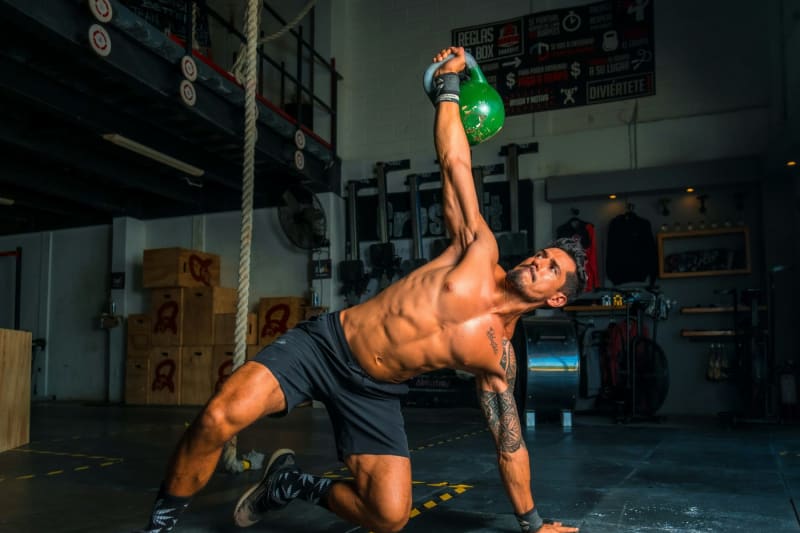
Strength training for martial artists over 40
Two lifting days a week is enough when you also train an art. Here is how to pick the lifts and where to put them.
Read now →
Kettlebell training for grapplers
Swings for hips, get-ups for shoulders, carries for grip and trunk. One bell covers most of what a grappler needs from the weight room.
Read now →
Grip strength for BJJ
Grips decide passes and sweeps, and forearms are the first thing to fail in a long round. Here is how to train them without wrecking your elbows.
Read now →
Neck strengthening for combat sports
A stronger neck helps you absorb impact, hold posture in the clinch and resist being cranked. It also takes about ten minutes a week.
Read now →
Deadlift for fighters
The hinge is where takedowns, kicks and clinch strength come from. Pick the variation that lets you train the next day.
Read now →Did you know?
Loaded carries, walking with heavy weights in each hand, train grip, trunk and posture at once, and are one of the few gym exercises that look like the clinch.