
Karate kata as conditioning
Forms are a workout hiding inside a syllabus. Change the tempo and the reps and they become strength and endurance training that is easy on the joints.
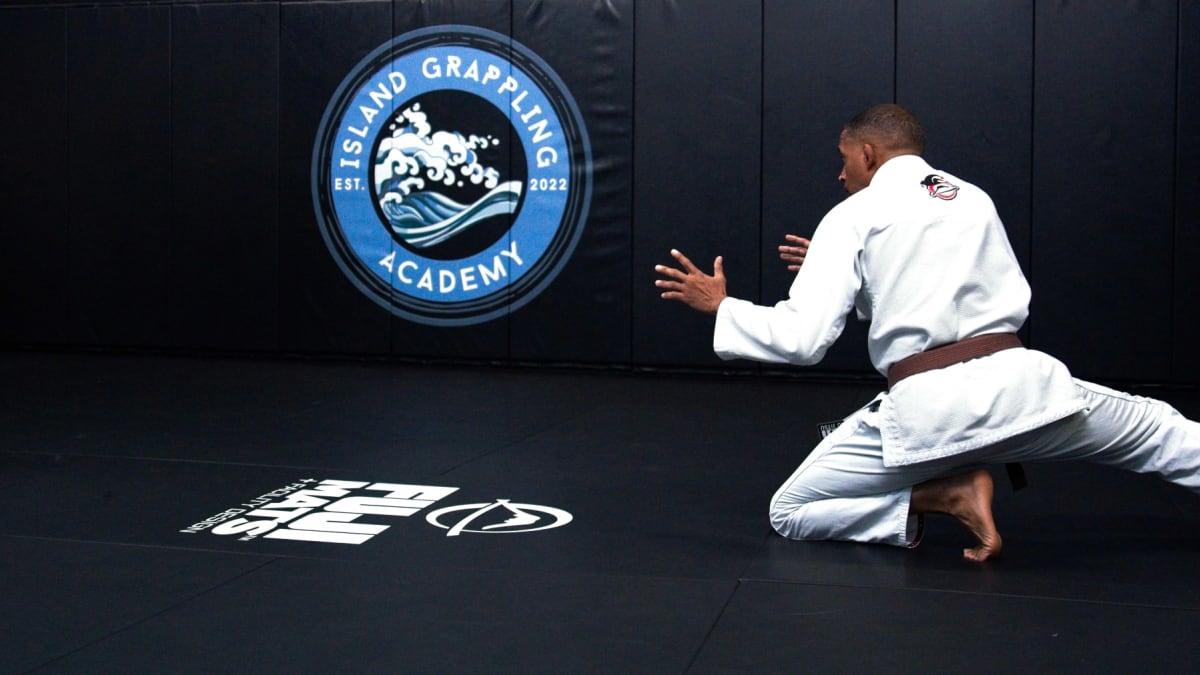
Why kata works as conditioning
Kata loads the legs in deep stances, trains rotation and breathing, and demands full attention, which is what makes 20 minutes of it feel like more. For practitioners over 40 it offers intensity without impact, and a reason to keep showing up that is not tied to sparring.
Three ways to use it
| Mode | How | Trains |
|---|---|---|
| Slow-tension | Each technique over 4–6 seconds with muscular tension, normal breathing | Stance strength, control |
| Repeat rounds | Kata back-to-back for a 3-minute round, 1 minute rest, 5 rounds | Endurance |
| Speed-then-still | Full speed, then hold the final stance 30 s | Power, isometric strength |
Keep the technique honest
Conditioning is a side effect. If stances shorten or hands drop as you tire, stop the round; fatigue practice that erodes form is not worth it. Use the round timer for the rounds. Hip range for deep stances comes from hip mobility, and leg strength from the hinge. Knee pain in deep stances is common later in life; the AAOS covers knee basics and a physio can advise on depth.