
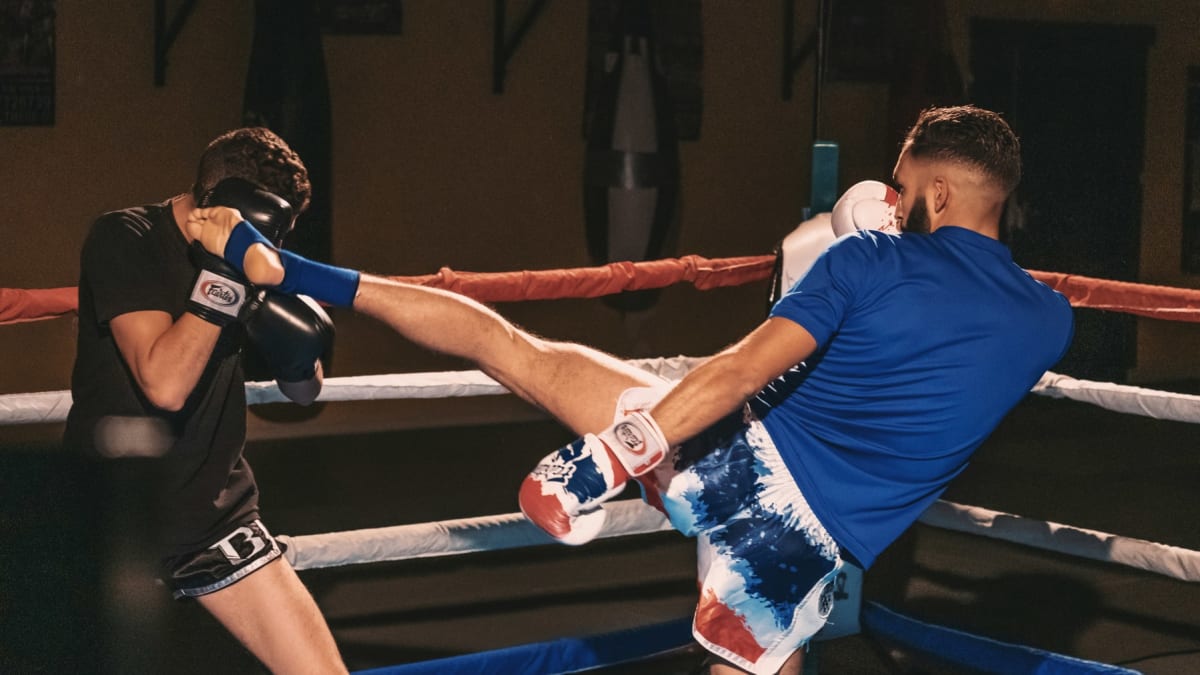
First principle: don't cut much
Severe dehydration impairs performance, cognition and heat regulation, and has caused deaths in combat sports. Many amateur organizations now use same-day weigh-ins specifically to discourage large cuts. Sports-medicine bodies, including the ACSM, warn against rapid weight loss through fluid restriction. The right weight class is usually the one you walk around near.
If you must drop a few pounds
| Timeframe | Approach |
|---|---|
| 8+ weeks out | Modest calorie deficit, keep protein high, lose fat at 0.5–1% bodyweight per week |
| Final week | Reduce fiber and sodium slightly, keep water normal; never restrict fluids for more than a few hours |
| Weigh-in day | Only a very small water adjustment, and only with a day-before weigh-in and experienced supervision |
| After the scale | Rehydrate gradually with fluids containing electrolytes and carbohydrate; small, frequent |
Do not
- Use saunas, sweat suits or diuretics without medical supervision; diuretics are also banned by USADA
- Cut more than a few percent of body weight in water, ever, as an amateur
- Train hard while dehydrated
Day-to-day hydration is simpler: drink to thirst, more in heat, and check urine color. MedlinePlus covers dehydration signs. Conditioning that does not depend on being light is in zone 2 cardio; the safest long-term weight strategy is the body composition that comes with consistent lifting. Over 40, read boxing after 40 before considering any cut.
KX
KUNGFOOLX editorialWritten from public research summaries and established coaching practice, reviewed for general accuracy. Not medical advice; individual needs vary. Talk to your physician or a qualified coach before changing your training.